How to Eat Enemies in Shroom and Gloom
Roast for Toasty, apply Seasoned, cook soups, and spend food as both a heal and a currency.
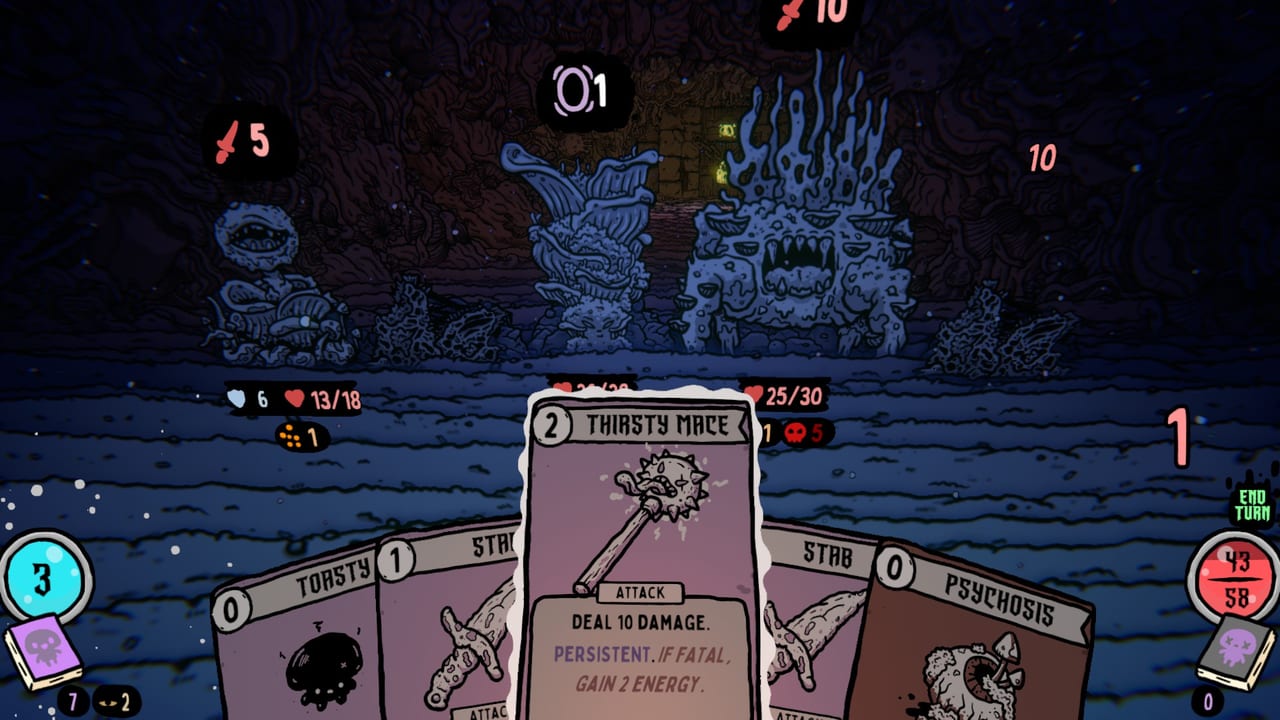
Shroom and Gloom does not want you to block a mushroom. It wants you to cook it. Team Lazerbeam’s combat pitch is less blocking, more eating: season, skewer, or roast a foe, then eat to restore Headpoints, or throw the roasted body into a pot and brew a soup that changes the run. Publisher Devolver Digital did not sand that joke down. The free demo is already a kitchen. Early Access, scheduled for 10 September 2026, is scheduled to add more characters who care about the same stomach.
If you came here from a fight you lost at full energy, start with the Combat Deck Guide. If you have food and nowhere safe to eat it, the Explore Deck Guide is the pantry. This page is the recipes: eating, roasting, Toasty, Seasoned, soups, and food as healing and currency.
Why eating replaces block
There are no classic block cards. Incoming damage is expected. Max Headpoints is the tank stat you grow. Current Headpoints is the number that drops when you greed a turn. Food is how those numbers move without a defend card. Eat during combat to steal a turn back. Eat during explore to arrive at the next pack with a buffer. Overheal lines can raise the maximum, which is how a snack becomes a boss plan.
Eating is also a trigger. Some combat cards grow when you eat. Some explore cards care if a card is eaten. Lunchlady, locked in the demo and scheduled for Early Access, leans on cooking and feed synergies plus a pet dog; Paperboy already teaches the cheaper version by feeding Fireballs for 2 Headpoints and Burning Sensation. You do not need the full roster to understand the rule. If a card mentions eat, feed, or food, it is probably the real engine, not flavor.
Moods still happen while you chew. Rage and impatience can clog the hand at the same moment a Toasty is trying to save you. Spend the mood or eat first according to lethal math, not according to disgust. The mushrooms are not going to judge the order.
Roast, Toasty, and fire
Roast is a damage card with a culinary rider. If the hit is fatal, you create a Toasty. The Toasty is food. Eating it recovers Headpoints. You can bank it for later instead of swallowing it on the same turn. Banking is how you stop treating every pack like an emergency heal check. A Toasty in the bag is a rest you did not have to take.
Fatal is the keyword that matters. A roast that leaves the mushroom at 1 Headpoint is just a weak attack. Set up the roast with cheaper stabs, spell weakness, or a lodged Distant Shadow so the cook actually finishes the body. Distant Shadow costs 3 energy and applies spell weakness; it is not food, but it is how a roast on the ally still pays the table.
Fire lines overlap. Paperboy can feed Fireballs, restore 2 Headpoints, and hold Burning Sensation for +10 camp warmth. Ignite synergies can grow max Headpoints. That is still eating, just with a different verb. If you ignite the campfire, you are converting a snack into rest time, which is how explore and combat share a stomach. See Getting Started for the first-hour version of that trick.
Seasoned, skewers, and soups
Seasoned is a state you apply so the body is worth more when it dies. Seasoning is not a rarity table. It is a rider: later eats, pots, and fatal cooks pay extra. If you can spend a cheap card to Seasoned a target before the roast, do it. If seasoning costs the energy you needed for the lethal, skip it and take the smaller Toasty.
Skewers and similar cook verbs are cousins. They still want fatal. They still want a plan for the food they create. Do not invent a dozen skewer names this wiki cannot source. Use the verb the card prints.
Soups are the long game. Throw roasted enemies into a pot and brew a soup that changes numbers: extra damage on cards, extra healing, a lasting rider. Soup pots show up as explore structures as well as combat payoffs. A soup that increases damage on cards is a dummy you drink. A soup that heals is a rest you carry. If the pot asks you to spend several Toasty or Seasoned bodies, it is a boss project, not a first-room snack. How to Beat Bosses is where that project belongs.
Lunchlady will make this whole paragraph louder in Early Access: feasts while exploring, an apron that catches card-growing spores in combat. In the demo you still cook. You just cook as Paperboy.
Food as healing and currency
Food heals. Food also spends. Shops and odd encounters may want snacks the way other roguelikes want gold. Keys still open doors; food opens menus. If you eat every Toasty the moment it appears, you will be healthy and broke. If you never eat, you will be rich and dead. The correct ratio depends on the next fork.
Keep a small bank for the biome boss and the Gloom door stretch. Keep one snack liquid for a shop you have already seen. Spend the rest on growth: eat triggers, overheal into max Headpoints, feeding Fireballs when warmth is the actual problem. The Demo Walkthrough is full of rooms that look optional until the bank is empty.
Food in the explore hand clogs like any other card. A sandwich you cannot play because you needed the shovel is a sandwich that should have been eaten last fight. Draw and rest exist so the pantry can move. The Explore Deck Guide covers rest and warmth; this page just insists that the pantry is not a museum.
When not to eat
Do not eat if the lethal roast is still available this turn and the Toasty would be larger after one more rider. Do not eat if a growth card in hand wants the eat trigger on a bigger target. Do not eat the last snack in the bag when a shop you already mapped wants currency and you still have rest warmth. Do eat if the next enemy swing kills you. Headpoints at zero are not a seasoning opportunity.
The frog statue forgets cards; it does not cook them. The practice dummy grows attacks; it does not feed you unless a rider says so. Foresight passives can draw an edible at the start of exploration or change death math. Those are relics, not recipes. Compare them on the Foresight tier list and the build list after you have a kitchen you trust.
A run that understands eating will look greedy from the outside: roasting kills you could have stabbed, holding a Toasty through a fight, feeding Fireballs instead of dumping energy into a lock. From the inside it is just the block replacement. You cannot defend. You can only digest. Leave the table with a bag, not a philosophy, and the next pack will be edible too.
Frequently Asked Questions
Quick answers to the most common Shroom and Gloom questions.
How do I make a Toasty?
Land a fatal roast or a similar cook. Bank the Toasty and eat it for Headpoints. Setup tips are on the Combat Deck Guide.
What does Seasoned actually do?
It is a state on the enemy that makes later eats, pots, and fatal cooks pay extra. Apply it when the energy still leaves room for the lethal.
Are soups worth building toward?
Yes for bosses and long tunnels. A pot that grows damage or healing is a carried dummy. See How to Beat Bosses before you dump the whole pantry into one brew.
Is food only for healing?
No. Food is also currency for shops and a trigger for growth cards. The Explore Deck Guide is where the pantry clogs if you never spend it.
Does Lunchlady change eating?
Lunchlady specializes in cooking and feed synergies, but they are locked in the demo. Paperboy still teaches feeding Fireballs. Roster details are on the Characters Guide.