Shroom and Gloom Build Tier List
Eat, grow, and mood — three demo engines, plus the EA roster.
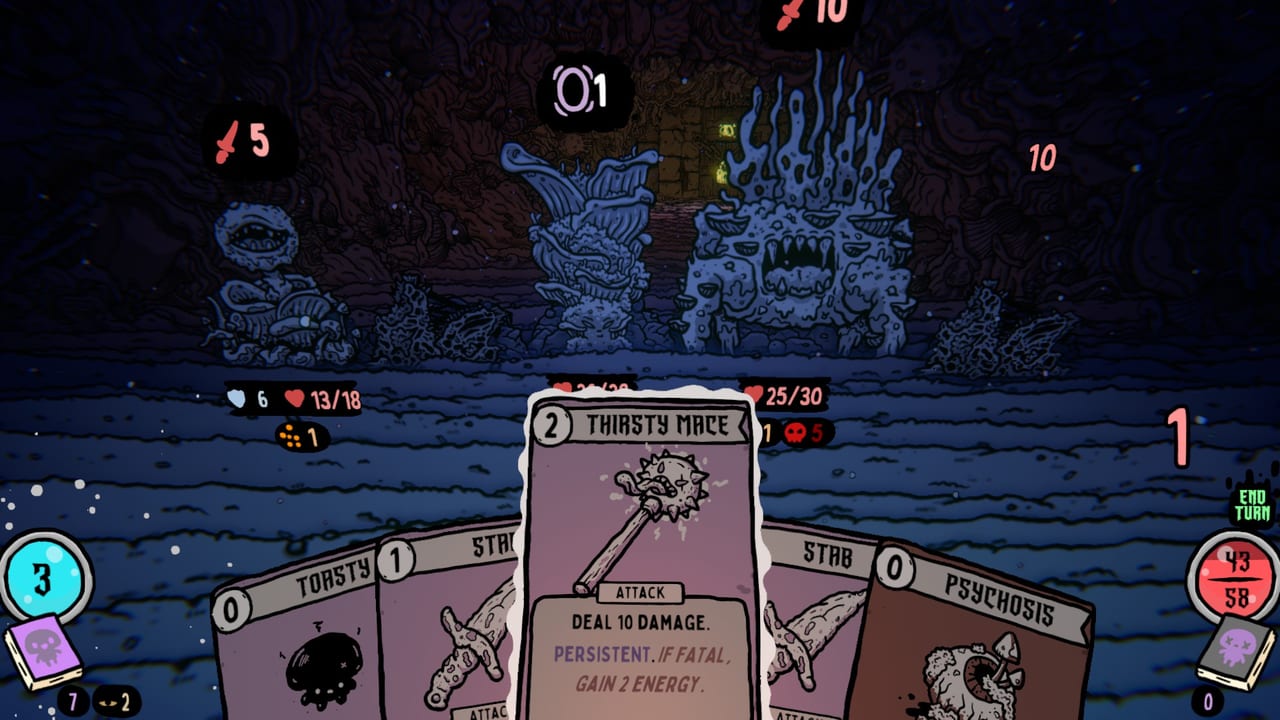
The Steam demo copy is blunt: unlock combos across three playstyles. Team Lazerbeam has described those engines in interviews as persistent growth, foodie eating, and temporary moods. This page ranks those engines as they exist in the Paperboy demo, then sketches how Early Access classes plug into them. It is not a 12-archetype bible. The full game is not out. 10 September 2026 adds two pathways and five characters, which will scramble this list.
Cross-check card picks on the card tier list and relic-like passives on the Foresight tier list. For the actual loop of rooms and energy, stay on how to play.
Rank legend
S — Most consistent way to clear 26 tunnels and still have HP for The Gloom door. A — Wins if you commit; loses if you splash. B — Works as a splash inside S, weak as a main plan. C — Unfocused “take every reward” Paperboy, which is how most first runs die.
S-tier: Eat engine
Eating is not flavor text. There is no block. PC Gamer’s demo writeup is the short version: you stack max HP and healing items, you season or roast, you recover. Toasty and Seasoned are the named pieces. Fatal fire lines mint Toasty; Seasoned turns a living foe into dinner. Explore cards that dig snacks or feed creatures (after the June 2026 overhaul) keep the engine running between fights.
Why it is S: every other plan still takes damage from room danger, bash-through doors, and spore swarms. Eat converts those hits into a resource loop. Overeat Foresights that raise max HP (see the Foresight page) make the engine scale instead of capping at “full.”
How to play it: keep a roast or season applicator, protect food cards from frog-statue accidents, and do not skip corpses to greed a dummy every room. A grown attacker that also mints food is the dream; a grown attacker that never feeds you is a B-tier splash inside this S plan.
Lunchlady is the EA character built to abuse this. Official diary wording: cooking and feed synergies, a pet dog, an apron that catches card-growing spores. Until that kit is playable, Paperboy’s roast package is the training wheels.
S-tier: Grow engine
Growth is the other S because it is the game’s long-term damage solution. Starting hits become monstrous if they remain in the deck. The practice dummy exists to sharpen them. Eat-on-hit riders that add +1 damage when you snack are grow enablers, not a separate archetype.
Why it shares S with eat: a 26-tunnel run is long enough for compounding to beat spike damage. Biome bosses punish decks that still swing for 3 on turn six. Grow also pairs with eat — you snack to live, and some snacks permanently enlarge the card that just ate.
How to play it: pick one or two attackers to invest in. Visit dummy rooms. Frog extra basics once the grown copy exists. Do not “grow everything”; that is how you spend the statue on the wrong card.
Paperboy is tuned as a forgiving grow/eat hybrid. Youthful roast cards help you bounce back, which is why the diary calls the class a tutorial into the unique deckbuilding. That is a compliment and a ceiling: Paperboy S-tier is “complete the demo.” It is not “best class in 1.0,” because 1.0 classes are not out.
A-tier: Mood engine
Moods are temporary cards — rage, impatience, repressed feelings — that you generate inside a fight and often cannot keep. Rock Paper Shotgun clocked this in the prototype: victory by tactically driving yourself nuts. The Early Access diary makes the engine concrete on Concerned Parent: Parental Instinct creates Hysterical Strength, rage grows when you draw, Dad Reflexes and photo looks draw more, Mama Bear hits per attack in hand.
Why A, not S, today: Paperboy can splash moods, but the demo does not hand you Parent’s draw engine. Temporary cards also fight your food and grown attacks for hand space. If you flood the hand with unplayable rage, you skip eats and die to chip.
Why it will fight for S in September: if Parent’s kit ships as shown, draw-plus-rage is a boss killer. Rank it A until you can play that class for more than a trailer.
B-tier: Warmth / camp control
Lingering in a room to feed, fix, and loot is stronger after the 2026 explore rework, but danger rises the longer you stay. Burning Sensation adding 10 Warmth is the sourced example of a card that taxes combat hand space to make camping safer. That is a real plan, not a main plan. Splash warmth if your eat engine needs extra rooms. Do not build “camp simulator” and forget to grow a hit.
B-tier: Key-hunting / Gloom rush
The mushroom key and The Gloom door are demo goals, not a damage engine. Rushing keys without food is how you arrive at the ending event at 4 HP and get deleted. Treat Gloom access as a win condition you attach to eat or grow, not as its own tier.
C-tier: Unfocused Paperboy
Taking every combat reward, every extra shovel, and every mood “in case it combos” is the default first-run build. It is also the worst. Two decks mean twice the clutter. C-tier is a warning, not a playstyle: if you cannot say “I am eating,” “I am growing,” or “I am drawing moods” by tunnel eight, frog until you can.
Paperboy versus the Early Access roster
| Character | Role in this list | Engine lean |
|---|---|---|
| Paperboy | Demo starter, ranked now | Grow + eat hybrid |
| Concerned Parent | Diary kit, A-tier mood | Draw + Hysterical Strength |
| Lunchlady | Diary kit, future eat S | Feed, cook, pet dog |
| Janitor | Named for EA launch | Unknown kit; do not invent cards |
| Activist | Named in the August Steam log | Unknown kit; do not invent cards |
Steam’s August 2026 log lists five playable characters at Early Access: Paperboy, Lunchlady, Concerned Parent, Janitor, and Activist. The developer diary names four on day one and says more roll out during EA, plus a third path later. We list all five and refuse to fabricate Janitor or Activist card names.
The Facility is a second pathway with its own pool, not a sixth class. Facility cards will create builds this page cannot rank yet. If you only play Paperboy until September, you are not behind — you are playing the only complete public kit.
How to pick in the first hour
- After tutorial rooms, look at your first dummy and first food tool. If you have both, you are already in dual-S hybrid, which is fine.
- If you see Distant Shadow, lodge it and grow it; that supports every engine.
- If you see extra moods and no draw, skip them on Paperboy.
- If HP is your problem, stop drafting damage and read how to eat enemies.
- Lock a Foresight that matches the engine, not a random extra energy relic you will not spend. See Foresight.
Expiry date
This ranking dies when people can play Lunchlady through The Facility. Eat may stay S because the design still rejects blocking. Grow may stay S because infinite upgrades are the trailer promise. Mood may leapfrog both if Parent is as explosive as Mama Bear looks. Until then, pick eat or grow, keep the deck planner honest, and do not wait for a mythical perfect class that is still in development.
Frequently Asked Questions
Quick answers to the most common Shroom and Gloom questions.
What are the three demo playstyles?
Persistent growth, eating/food generation, and temporary moods. The Steam demo text calls them three playstyles; interviews describe the same split.
Is Paperboy the best character?
Paperboy is the only fully playable demo class and is tuned to teach grow plus eat. Best-in-slot EA class is unknown.
Should I force a mood build in the demo?
Usually no. Splash a mood if it appears, but the dedicated draw-rage loop is Concerned Parent's kit in Early Access.
Does Lunchlady change the eat ranking?
She is built for feed and cooking. Expect eat to stay S or rise once that class is playable. Do not invent her card list yet.
Is mixing eat and grow a mistake?
No. Paperboy is a hybrid. The mistake is mixing those with random moods and extra explore junk.
When will this build list be rewritten?
After 10 September 2026, once two pathways and the five-character roster can be played, not just trailered.