Shroom and Gloom Card Tier List
Rank the jobs, not a fake 500-card spreadsheet.
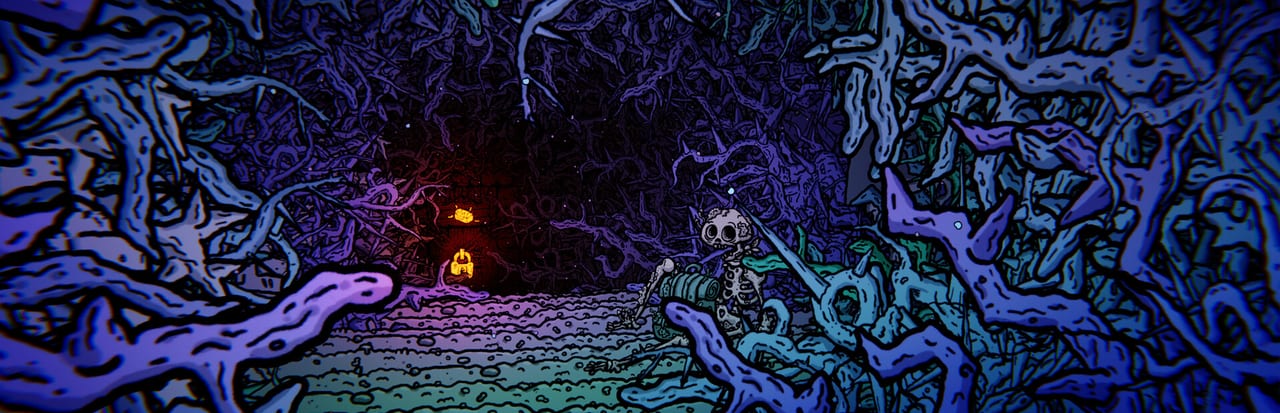
This is a demo-era opinion list. Shroom and Gloom’s public card pool is Paperboy’s Forgotten Path plus whatever the June 2026 demo mutation added. Early Access on 10 September 2026 promises two pathways with about 300 explore and combat cards each. We do not invent a giant fake encyclopedia. We rank jobs that win runs, then slot in sourced names: Distant Shadow, Parental Instinct, Hysterical Strength, Burning Sensation, Toasty, Seasoned, the practice dummy, the frog statue, and the mushroom key.
If a card is not named here, that does not mean it is bad. It means we will not fabricate stats. Pair this page with the combat deck and explore deck explainers, and use the deck planner when your hand is full of junk.
How the ranks work
S — Take it unless you already have that job covered. A — Strong inside its engine. B — Fine filler or a one-room tool. C — Frog-statue candidate; it costs draws.
Scoring weights a full 26-tunnel attempt, not a lucky first fight. There is no block pile. Food, growth, and lodged weakness are how you survive room danger and biome bosses. Ranks will move when Concerned Parent, Lunchlady, Janitor, Activist, and The Facility arrive.
S-tier: jobs that carry the demo
Growing attackers
The design hook is infinite growth. Low-level starting hits can become run-winning weapons if you keep them in the deck and feed them dummy practice, eat triggers, or fatal bonuses. A grown 1-cost attack that you draw every fight outscales a 12-damage club you see twice. Draft extra copies only if they also grow; otherwise you dilute the card you already invested in.
S-tier rule: if a combat card stays forever and gets bigger, protect it. Visit the practice dummy. Do not frog it because a new roast looks fun.
Food generators (Toasty, Seasoned, eat-on-fatal)
Healing is eating. Rock Paper Shotgun and PC Gamer both clocked this on first contact: you roast, season, or skewer fungal foes, then eat them. Toasty is the named cooked leftover from fatal fire/roast lines. Seasoned is the named debuff that turns a corpse into food. Cards that create those states are S because they replace the entire defend package other deckbuilders take for granted.
If a fight ends with no food in hand, you paid HP to The Gloom for nothing. Prioritize fatal-to-Toasty lines and Seasoned applicators over raw damage that leaves bodies inedible.
Spell-weakness lodges — Distant Shadow
Distant Shadow is the sourced lodge: apply 2 Spell Weakness, then become lodged. While lodged, later plays keep taxing that enemy. Demo footage treats it as an evolve target, not a one-and-done poke. That is why it sits in S: it is an attacker and a multiplier for every other card you play.
Do not hoard three lodges. One grown Distant Shadow plus a food line is enough. Extra lodges fight for the same enemy slot.
A-tier: engine pieces
Parental Instinct and Hysterical Strength
These are Concerned Parent’s sourced starters, shown in the Early Access diary. Parental Instinct (once per combat) creates Hysterical Strength, a temporary mood that adds rage to attacks and grows that rage when you draw. They are A on this list because they are not in the default Paperboy demo kit, but they define the mood engine the store page already teases. If you are ranking “what will warp EA,” this package is the one to watch.
Burning Sensation
Feed Fire Balls, restore HP, and create Burning Sensation. It is temporary (destroyed when discarded) and adds 10 Warmth to camp while in hand, cutting hazard and room-danger damage. That is an explore-combat bridge, which is rare. A-tier because it is a generated card, not a draft staple, and because warmth only matters if you linger.
Practice dummy (explore)
The dummy is an explore reward that modifies combat cards. It is A rather than S because it is a room tool, not a win condition: it is only as good as the attacker you bring to it. Still, skipping dummy rooms is how grow decks stall.
B-tier: useful, replaceable
Generic bash/unlock/dig tools sit here. You need some way to open locks, reveal loot, and feed creatures after the June 2026 explore overhaul, but a third shovel is not a build. Camp cards that only shine if you overstay are B — room danger rises the longer you stay, and The Gloom punishes greed.
One-off high damage with self-harm and no food rider is also B. It wins a panic turn, then clogs the next shuffle. Keep one panic button if bosses demand it; do not collect them.
C-tier: frog bait
Frog statue exists so you can forget cards. C-tier is whatever you will not grow, will not eat with, and will not lodge. Extra starting basics after their grown sibling exists, explore cards that duplicate a job you already do, and unplayable moods you cannot trigger belong on the statue.
C does not mean “never printed.” It means “paying energy and draws for it lost demo runs.” When The Facility adds a new mechanic, some of these C cards may become enablers. Until then, forget them.
Explore versus combat drafting
Combat S-tier is growth, food, lodge. Explore S-tier is whatever finds those three: dummy, food digs, key hunts. The mushroom key is not a damage card; it is the demo’s Gloom-door ticket. If you see a path to a key and your HP can survive the detour, take it. A perfect grown deck that never opens The Gloom is an incomplete demo run.
Keep both decks small. Every extra explore card is a missed dummy. Every extra combat card is a missed grown hit. Details are on the deck planner.
What we refuse to rank
Datamines list hundreds of names. We will not copy them into fake S/A/B/C rows. If a name was not shown in official diaries, patch notes, or widely recorded demo footage, it waits. That is slower, and it is the only honest way to write a list before two full EA pools exist.
After 10 September
Rewrite triggers: Lunchlady’s feed/cook cards, Concerned Parent’s draw-rage loop in player hands, Janitor and Activist kits, and The Facility’s unique pool. Expect Distant Shadow to stay relevant if lodged weakness survives, and expect food cards to stay relevant because the design still says “less blocking, more eating.” Everything else is a question mark.
Until that patch lands, treat this page as a drafting compass for the 26-tunnel demo, not as a collector’s checklist. Grow one attacker, generate food, lodge weakness if you see Distant Shadow, and frog the rest.
Frequently Asked Questions
Quick answers to the most common Shroom and Gloom questions.
Why isn't every demo card listed?
A fake full list would go stale and invent stats. We rank grow, eat, lodge, and explore jobs, plus sourced names only.
Is Distant Shadow really S-tier?
In the demo, yes as a lodge that applies spell weakness and stays on the enemy. Early Access could print better lodges.
Where do Toasty and Seasoned fit?
Food generation is S. Toasty is a cooked leftover; Seasoned is a debuff that makes foes edible. See how to eat enemies.
Should I pick the frog statue?
Yes when your decks are fat. C-tier cards and extra shovels belong there. The deck planner has a forget list.
Will Concerned Parent cards change this list?
Parental Instinct and Hysterical Strength are already A as the mood package. They jump if that class is as draw-heavy as the diary shows.
Is this list for Early Access day one?
No. It is a demo-era opinion and will be rewritten after 10 September 2026.